
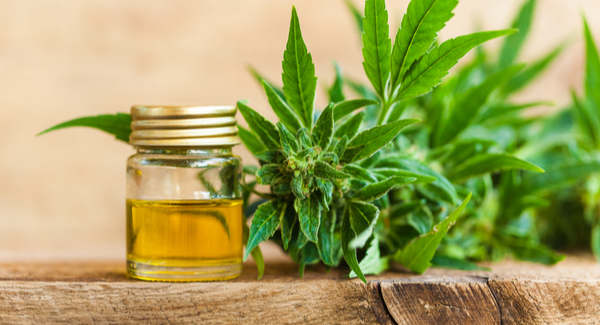
With the growing popularity of CBD products, many individuals are discovering the potential benefits of cannabidiol for various health conditions. Whether you’re seeking relief from pain, anxiety, or insomnia, CBD oil and CBD tinctures are two of the most commonly used forms of CBD. While they are often used interchangeably, there are key differences between the two that can impact your experience and the effectiveness of the product for your needs.
In this blog post, we will explore the differences between CBD oil and CBD tinctures, helping you determine which product might be best for you.
What is CBD Oil?
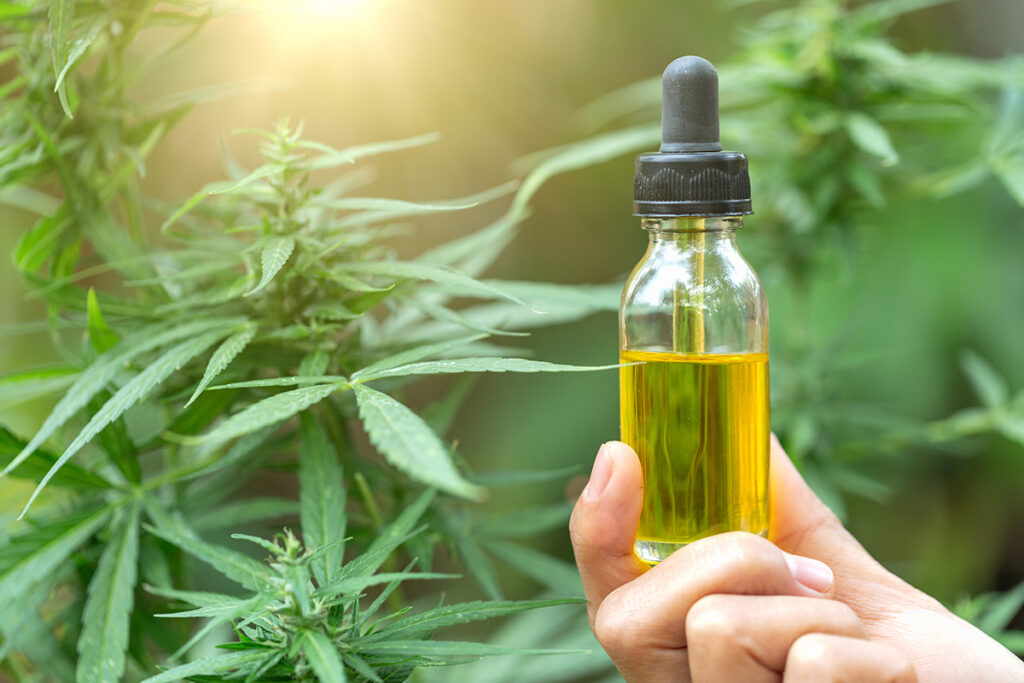
CBD oil is a broad term used to describe any product that contains CBD, the non-psychoactive compound derived from the hemp plant. The term “CBD oil” can refer to a variety of products, including full-spectrum CBD oil, broad-spectrum CBD oil, or CBD isolate oil.
Typically, CBD oil consists of CBD extract combined with a carrier oil, such as hemp seed oil, coconut oil, or MCT oil. The CBD oil can be taken orally, applied topically, or used in capsules or edibles.
What is a CBD Tincture?
A CBD tincture is a concentrated form of CBD that is typically made by extracting CBD from the hemp plant using alcohol or glycerin as a solvent. Unlike CBD oil, tinctures are usually more potent and are often packaged in small glass bottles with a dropper for easy dosage.
CBD tinctures are primarily intended for sublingual use (under the tongue), which allows for quick absorption into the bloodstream. Tinctures can also be added to food or beverages, although they may have a more bitter taste than oils due to the alcohol content.
Key Differences Between CBD Oil and CBD Tinctures
While both CBD oil and CBD tinctures have similar effects, there are notable differences between them that can influence your decision on which product to choose.
1. Ingredients and Extraction Method
- CBD Oil: The CBD oil extraction process involves using a carrier oil (such as hemp seed oil or coconut oil) to extract CBD from the hemp plant. This oil is then diluted with a carrier oil to make it more palatable and easier to use. The oil can contain full-spectrum CBD, broad-spectrum CBD, or CBD isolate, offering varying levels of cannabinoids and terpenes.
- CBD Tincture: Tinctures are typically made by soaking CBD-rich hemp flowers in high-proof alcohol or glycerin to extract the cannabinoids. The tincture is more concentrated than CBD oil and often has a higher alcohol content, giving it a stronger taste.
2. Method of Consumption
- CBD Oil: CBD oil is commonly consumed by placing a few drops under the tongue (sublingual use), allowing it to be absorbed into the bloodstream quickly. It can also be added to food or drinks or applied topically to the skin.
- CBD Tincture: CBD tinctures are primarily designed for sublingual consumption, where the drops are placed under the tongue for quick absorption into the bloodstream. Tinctures can also be added to food or beverages, but their alcohol content may alter the taste of drinks.
3. Potency and Dosage
- CBD Oil: CBD oils generally come in a wide range of concentrations, allowing you to choose a product that best suits your needs. The potency varies from brand to brand, so it’s important to check the label and choose the right dosage based on your desired effects.
- CBD Tincture: Tinctures are often more potent than CBD oils because they are more concentrated. The dropper provided with tinctures allows for more precise control over the dosage, making it easier to take the exact amount needed.
4. Taste and Smell
- CBD Oil: Depending on the carrier oil used, CBD oil can have a mild to strong earthy or nutty flavor. Some people find the taste of CBD oil pleasant, while others may find it unpleasant.
- CBD Tincture: Since tinctures are alcohol-based, they often have a strong, bitter taste that some users may find off-putting. However, tinctures are usually more concentrated, so only a few drops are needed, and the taste is less of a concern when mixed with food or beverages.
5. Absorption Time
- CBD Oil: When taken sublingually, CBD oil is absorbed relatively quickly into the bloodstream. However, the process may take slightly longer than tinctures due to the oil-based nature of the product. When added to food or beverages, the absorption process can take longer as it passes through the digestive system.
- CBD Tincture: Since tinctures are alcohol-based, they are often absorbed more quickly through the sublingual method. The alcohol in the tincture facilitates faster absorption into the bloodstream, leading to quicker effects.
Which is Right for You?
When deciding between CBD oil and CBD tinctures, it’s important to consider your personal preferences and health needs.
- CBD Oil may be a better choice if:
- You prefer a more mild, pleasant taste and want to avoid the bitterness of tinctures.
- You are looking for a product that can be used both topically and sublingually.
- You prefer the option of choosing from a wide range of CBD concentrations and using it in different forms (e.g., capsules, edibles).
- CBD Tincture may be a better choice if:
- You want a more concentrated form of CBD for faster and more precise dosage.
- You prefer quick relief and want the tincture to be absorbed into the bloodstream quickly.
- You don’t mind the strong, bitter taste or are willing to mix the tincture with food or drinks.
Read Also : CBD Oil for Athletes: Enhancing Recovery and Performance
Conclusion
Both CBD oil and CBD tinctures are effective options for people looking to experience the potential benefits of CBD. The choice between the two depends on your preferences for taste, absorption time, and desired potency. CBD oil offers a more versatile option with various consumption methods, while CBD tinctures are more concentrated and provide faster effects.
As always, when choosing a CBD product, it’s important to consider the quality and purity of the brand, as well as your specific health needs. Start with a lower dose and gradually increase it to find the right amount for you. If you have any concerns or are unsure about which product is best for your health condition, it’s a good idea to consult with a healthcare provider before starting a CBD regimen.