

As the popularity of CBD (cannabidiol) continues to grow, pet owners are increasingly turning to this natural compound to help manage their dogs’ health issues. Whether it’s for anxiety, chronic pain, arthritis, or overall wellness, CBD for dogs has shown promising results in improving their quality of life. However, understanding the right dosage, timing, and administration methods is key to maximizing the benefits of CBD and ensuring your dog’s safety.
In this blog post, we will guide you through how to use CBD for dogs, covering everything from dosage to timing and the best ways to administer it to your furry friend.
What Is CBD for Dogs?
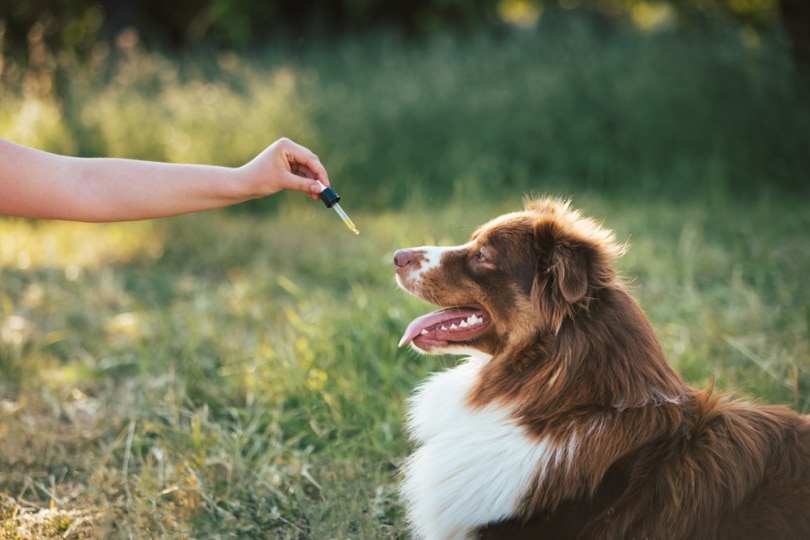
CBD is a non-psychoactive compound found in the hemp plant. Unlike THC (tetrahydrocannabinol), the psychoactive compound in cannabis, CBD does not produce a “high” or impair your pet’s cognitive abilities. Instead, CBD has potential therapeutic properties, including anti-inflammatory, analgesic (pain-relieving), and anxiolytic (anxiety-reducing) effects.
CBD works by interacting with your dog’s endocannabinoid system (ECS), which helps regulate various bodily functions like mood, pain, immune response, and sleep. By influencing receptors in the ECS, CBD can help bring balance to these functions and alleviate a wide range of symptoms.
Why Should You Use CBD for Dogs?
CBD can be beneficial for dogs in several ways. Some of the most common uses for CBD in dogs include:
- Anxiety and Stress Relief: Many dogs experience anxiety due to separation, travel, or loud noises like thunderstorms. CBD can help reduce anxiety and promote relaxation.
- Pain and Inflammation: CBD can help manage pain associated with arthritis, hip dysplasia, or injury by reducing inflammation and providing pain relief.
- Seizures and Epilepsy: CBD has anticonvulsant properties and may help reduce the frequency and severity of seizures in dogs with epilepsy.
- Overall Wellness: CBD can also be used as a supplement to promote general wellness, boost immune function, and improve sleep quality.
How Much CBD Should You Give Your Dog?
Finding the right CBD dosage for your dog can be tricky, as it depends on various factors such as your dog’s size, weight, health condition, and the severity of the issue you’re treating. Unlike human dosages, there is no one-size-fits-all solution for dogs. However, there are general guidelines to help you determine the right amount.
1. Start Low and Go Slow
When introducing CBD to your dog’s routine, it’s best to start with a low dose and gradually increase it over time until you see the desired effects. Starting low helps you monitor how your dog reacts to CBD and allows you to adjust the dosage if necessary.
A common starting point is around 1-2 mg of CBD per 10 pounds of your dog’s body weight. For example, if your dog weighs 20 pounds, you would start with 2-4 mg of CBD. From there, you can gradually increase the dosage if needed, based on how your dog responds.
2. Adjust According to Your Dog’s Condition
If you’re using CBD to manage pain or inflammation, you may need a higher dosage compared to using it for anxiety relief. More severe conditions, such as chronic pain or seizures, might require a stronger dose to be effective. Always consult with your veterinarian before increasing the dosage, especially for specific medical conditions.
3. Measure the Dose Accurately
CBD products for pets come in various forms, including oils, capsules, treats, and topicals. It’s important to measure the dose accurately to avoid underdosing or overdosing your dog. CBD oil is often the easiest and most customizable form, as you can adjust the dropper to give your dog the precise amount of CBD they need.
4. Check the Product’s CBD Concentration
The concentration of CBD in each product can vary significantly. Always check the CBD concentration (usually listed as milligrams per milliliter or milligrams per serving) to ensure you’re giving your dog the right dosage. If you’re using CBD treats, make sure to check how much CBD is in each treat so you can adjust the number of treats accordingly.
When Should You Give Your Dog CBD?
The timing of when you give your dog CBD can also affect its effectiveness. Here’s how to determine the best time to administer CBD:
1. For Anxiety or Stress Relief
If your dog suffers from anxiety, you may want to give them CBD 30 minutes to an hour before a stressful event. This could be a thunderstorm, a visit to the vet, or travel. Giving CBD ahead of time helps calm your dog’s nerves and allows the effects to kick in when they are most needed.
2. For Pain Relief and Inflammation
When using CBD for chronic pain or inflammation, it’s best to give your dog CBD daily for the best results. You can administer the dose in the morning, at night, or split the dose throughout the day, depending on your dog’s preferences and your schedule. Regular doses will help maintain consistent levels of CBD in your dog’s system.
3. For Seizures
If your dog experiences seizures, it’s recommended to give them CBD regularly, ideally at the same time each day, to help prevent the frequency and severity of seizures. Some pet owners give CBD several times a day to maintain a steady level of CBD in their dog’s system.
4. For Sleep Support
If your dog has trouble sleeping, you can give them CBD in the evening to help promote relaxation and improve sleep quality. Administering a dose of CBD about 30 minutes to an hour before bedtime can help your dog settle down for a more restful sleep.
How to Administer CBD to Your Dog
CBD can be given to dogs in various forms, and each has its own benefits and ease of use. Here are some of the most popular ways to administer CBD to your pet:
1. CBD Oil/Tinctures
CBD oil is one of the most common and effective ways to give your dog CBD. You can place a few drops directly into your dog’s mouth, or add it to their food or water. This method is highly customizable, allowing you to adjust the dosage easily.
2. CBD Treats
CBD-infused dog treats are a convenient and tasty option for dogs who are picky eaters or prefer treats over liquids. Make sure to check the dosage of CBD in each treat and follow the guidelines for your dog’s weight and condition.
3. CBD Capsules
For dogs that don’t mind swallowing pills, CBD capsules are another option. They are easy to administer and often come in pre-measured doses. However, capsules may take longer to take effect as they need to be digested first.
4. CBD Topicals
For localized pain or skin issues, CBD topicals like creams or balms can be applied directly to your dog’s skin. This form of CBD is absorbed through the skin and works well for conditions like sore muscles, joint pain, or irritated skin.
Side Effects of CBD for Dogs
CBD is generally considered safe for dogs, but some pets may experience mild side effects. These can include:
- Drowsiness: Some dogs may feel sleepy or lethargic, especially when taking a higher dose.
- Dry Mouth: CBD can cause a slight decrease in saliva production, leading to dry mouth.
- Lowered Blood Pressure: Large doses of CBD may cause a temporary drop in blood pressure, leading to slight dizziness or lightheadedness.
These side effects are typically mild and subside over time. If you notice any adverse reactions, reduce the dosage or consult your veterinarian for advice.
Read Also: CBD Oil vs. CBD Tinctures: Which is Right for You?
Conclusion
CBD can be an effective and natural way to improve your dog’s health, especially for managing anxiety, pain, and inflammation. When using CBD for dogs, it’s important to start with a low dose, adjust according to your pet’s specific needs, and use the right form of CBD to suit your dog’s preferences. Always consult with your veterinarian to ensure that CBD is safe for your pet and to determine the appropriate dosage and timing.
With its potential to enhance your dog’s overall well-being, CBD is an option worth considering for pet owners seeking a natural alternative to traditional medications.