Choosing the right CBD oil can feel overwhelming, especially if you’re new to CBD products. With so many brands, strengths, formulations, and claims available, it’s easy to get confused by the information printed on the bottle. Terms like full-spectrum CBD oil, broad-spectrum CBD, CBD isolate, hemp extract, and third-party lab tested often appear on labels, but many buyers aren’t sure what they actually mean.
Understanding CBD oil labels is one of the most important steps you can take before making a purchase. A well-labeled product provides valuable information about its ingredients, CBD concentration, hemp source, and quality testing, helping you make a more informed decision. It also allows you to compare products more effectively and choose one that aligns with your preferences and wellness goals.
In this guide, we’ll explain the key elements found on CBD oil labels, what each term means, and why reading the label carefully is essential for buying a high-quality product.
Why Understanding CBD Oil Labels Matters
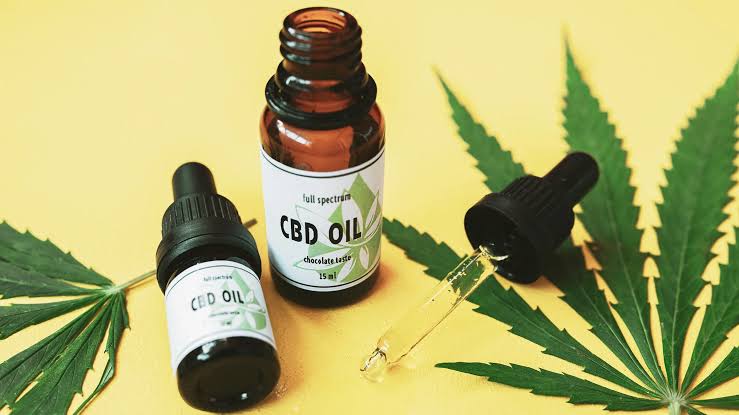
Not all CBD oil products are the same. While two bottles may look similar on the shelf, they can differ significantly in terms of ingredients, CBD concentration, extraction methods, and overall quality.
Reading the label helps you:
- Understand exactly what you’re buying.
- Compare different CBD oil products.
- Verify the CBD concentration.
- Check ingredient quality.
- Confirm third-party lab testing.
- Avoid misleading marketing claims.
- Choose a product that suits your wellness routine.
Whether you’re buying premium CBD oil for the first time or looking to switch brands, taking a few minutes to understand the label can help you make a more confident purchase.
What Information Is Found on a CBD Oil Label?
A quality CBD oil label should provide clear, accurate, and transparent information about the product.
Common details include:
- CBD content
- Product type
- Serving size
- Ingredients
- Hemp source
- Extraction method
- Third-party testing
- Manufacturer information
- Batch or lot number
- Expiration date
Let’s look at each of these in more detail.
1. CBD Content
One of the first things you’ll notice on a CBD oil bottle is the amount of CBD it contains.
This is usually listed in milligrams (mg).
For example:
- 500 mg CBD Oil
- 1000 mg CBD Oil
- 1500 mg CBD Oil
- 3000 mg CBD Oil
This number represents the total amount of cannabidiol contained in the bottle—not the amount in each dropper.
Understanding the total CBD content helps buyers compare products more accurately.
2. CBD Concentration Per Serving
Besides the total CBD content, many labels also indicate how much CBD is present in each serving.
For example:
- Total CBD: 1000 mg
- Bottle Size: 30 mL
- CBD Per Serving: Approximately 33 mg
Knowing the CBD concentration per serving helps users understand how much CBD they are consuming according to the manufacturer’s suggested serving size.
3. Full-Spectrum, Broad-Spectrum, or CBD Isolate
One of the most important parts of any CBD oil label is the type of CBD extract used.
Full-Spectrum CBD Oil
Full-spectrum CBD oil contains CBD along with other naturally occurring compounds found in hemp, including cannabinoids, terpenes, flavonoids, and legally permitted trace amounts of THC.
Many consumers choose full-spectrum products because they contain a wider range of naturally occurring hemp compounds.
Broad-Spectrum CBD Oil
Broad-spectrum CBD oil also contains multiple cannabinoids and terpenes but is typically processed to remove THC.
This option may appeal to buyers who prefer products without THC while still containing other hemp-derived compounds.
CBD Isolate
CBD isolate is the purest form of cannabidiol.
It contains CBD only, without additional cannabinoids or terpenes.
Some buyers prefer CBD isolate because it contains no THC and has a simple ingredient profile.
Understanding these differences allows you to choose the product type that best fits your preferences.
4. Ingredient List
Just like food products, CBD oil should include a complete ingredient list.
Common ingredients may include:
- Hemp extract
- Carrier oils (such as MCT oil or hemp seed oil)
- Natural flavors
- Plant-derived ingredients
- Natural terpenes
Premium CBD oil products generally use simple, transparent ingredient lists without unnecessary additives.
Avoid products with vague ingredient descriptions or undisclosed proprietary blends.
5. Hemp Source
A trustworthy CBD oil label often specifies where the hemp was grown.
The quality of hemp plays an important role in the overall quality of the final product.
Many reputable brands source hemp from farms that follow strict agricultural and quality standards.
Knowing the hemp source helps buyers better understand the product’s origin and manufacturing process.
6. Extraction Method
The label or accompanying product information may also mention how CBD was extracted from the hemp plant.
One of the most commonly used methods is CO₂ extraction, which is widely recognized for producing clean, high-quality hemp extracts while preserving beneficial plant compounds.
Transparent manufacturers often provide information about their extraction process to help consumers understand how the product is made.
7. Third-Party Lab Testing
Perhaps the most important feature of a high-quality CBD oil is independent laboratory testing.
Reputable manufacturers send their products to third-party laboratories to verify:
- CBD content
- Cannabinoid profile
- THC levels
- Purity
- Absence of contaminants
Independent testing helps provide confidence that the product matches the information on its label.
Look for statements such as:
- Third-Party Lab Tested
- Independently Tested
- Verified by Independent Laboratory
8. Certificate of Analysis (COA)
Many trusted CBD brands provide a Certificate of Analysis (COA).
A COA is a laboratory report that confirms:
- CBD concentration
- Cannabinoid profile
- THC content
- Testing date
- Laboratory information
- Screening for contaminants such as heavy metals, pesticides, and residual solvents
Some products include a QR code on the label that links directly to the COA, making it easy for buyers to verify product quality before use.
9. Batch or Lot Number
A batch number helps manufacturers track individual production batches.
This information is useful for:
- Quality control
- Product consistency
- Traceability
Professional CBD brands include batch numbers as part of their commitment to transparency and manufacturing standards.
10. Manufacturing and Expiration Dates
Freshness matters when purchasing CBD oil.
The label should include:
- Manufacturing date
- Best-before date
- Expiration date
Using CBD oil within the recommended time frame helps ensure product quality and consistency.
Common Marketing Terms You May See
CBD oil labels often include phrases designed to highlight product quality.
Examples include:
- Premium CBD Oil
- Hemp-Derived CBD
- Natural Ingredients
- THC-Free (where applicable)
- Non-GMO
- Vegan Friendly
- Gluten-Free
- Organic Hemp
- Third-Party Tested
While these claims can be helpful, they should ideally be supported by transparent ingredient information and laboratory testing.
Red Flags to Watch For
Not every CBD product on the market meets the same quality standards.
Be cautious if a label:
- Does not list the CBD amount.
- Omits ingredient information.
- Lacks third-party lab testing.
- Makes unrealistic health claims.
- Does not provide manufacturer details.
- Has no batch number or expiration date.
Transparent labeling is often a sign of a reputable brand.
How to Compare CBD Oil Labels
When shopping for CBD oil, don’t focus on just one feature, such as the total CBD content or the price. Instead, compare multiple aspects of the label to understand the product’s overall quality and value.
Here are a few important points to compare:
1. CBD Concentration
Two bottles may both contain 30 mL of CBD oil, but one may have 500 mg of CBD while another contains 1500 mg. Always compare the total CBD content as well as the amount of CBD per serving.
2. Type of CBD Extract
Check whether the product contains:
- Full-spectrum CBD oil
- Broad-spectrum CBD oil
- CBD isolate
Each type has a different cannabinoid profile, so understanding the label helps you choose the option that best fits your preferences.
3. Ingredients
A shorter, transparent ingredient list is generally easier to understand. Look for products that clearly list all ingredients, including the carrier oil, hemp extract, and any natural flavorings.
4. Third-Party Testing
A reputable brand should provide a recent Certificate of Analysis (COA) from an independent laboratory. This report helps verify the information printed on the label.
Understanding Serving Size
Many first-time buyers mistake the total CBD content for the amount they consume in one use.
For example:
- Bottle Size: 30 mL
- Total CBD: 1500 mg
- Serving Size: 1 mL
- CBD Per Serving: 50 mg
Understanding the serving size makes it easier to compare products and follow the manufacturer’s usage recommendations.
CBD Strength vs Bottle Size
Another common point of confusion is the difference between bottle size and CBD strength.
A larger bottle does not necessarily contain a higher concentration of CBD. For example:
- A 30 mL bottle with 500 mg CBD has a lower concentration than a 30 mL bottle with 1500 mg CBD.
- Two bottles of the same size can offer very different amounts of CBD per serving.
Always read both the total CBD content and the CBD concentration per serving before making a purchase.
Why Transparency Matters
Trustworthy CBD brands are transparent about their products. They make it easy for customers to understand what they’re buying by providing clear labels and supporting information.
A transparent CBD oil label should include:
- Total CBD content
- CBD per serving
- Ingredient list
- Type of CBD extract
- Hemp source
- Batch number
- Manufacturing and expiry dates
- Third-party lab testing information
- Certificate of Analysis (COA)
Brands that openly share this information demonstrate a stronger commitment to quality and consumer confidence.
Common Mistakes Buyers Make
Reading a CBD oil label carefully can help you avoid several common purchasing mistakes.
1. Buying Based Only on Price
The least expensive product isn’t always the best value. Product quality, ingredient transparency, and independent testing should all be considered before making a decision.
2. Ignoring the Certificate of Analysis
A Certificate of Analysis (COA) provides valuable information about a product’s cannabinoid profile and quality. Skipping this step means missing an important verification tool.
3. Confusing Hemp Seed Oil with CBD Oil
Hemp seed oil and CBD oil are different products. While hemp seed oil is derived from hemp seeds, CBD oil contains cannabidiol extracted from other parts of the hemp plant. Reading the ingredient list helps distinguish between the two.
4. Overlooking Ingredient Lists
Some products contain added flavorings, carrier oils, or botanical extracts. Reviewing the ingredient list is especially important for people with dietary preferences or sensitivities.
5. Falling for Unrealistic Claims
Be cautious of products that promise guaranteed or exaggerated results. Reliable CBD brands focus on transparent product information rather than unsupported marketing claims.
6. Tips for Choosing High-Quality CBD Oil
Selecting premium CBD oil becomes much easier when you know what to look for.
Consider these tips:
- Read the label thoroughly before purchasing.
- Check the total CBD content and serving size.
- Choose products with transparent ingredient lists.
- Verify third-party lab testing.
- Review the Certificate of Analysis (COA).
- Purchase from reputable brands with clear manufacturing practices.
- Look for batch numbers and expiration dates.
- Understand whether the product is full-spectrum, broad-spectrum, or CBD isolate.
Taking a few extra minutes to review these details can help you make a more informed purchase.
Also Read: Which CBD Product Is Right for Your Dog?
Final Thoughts
Understanding CBD oil labels is one of the simplest yet most effective ways to become a more informed buyer. Instead of relying on marketing claims or attractive packaging, taking the time to read and interpret the label allows you to better understand what the product contains and how it has been manufactured.
A high-quality CBD oil should provide transparent information about its CBD concentration, type of extract, ingredients, hemp source, and independent laboratory testing. Features such as a Certificate of Analysis (COA), batch number, and clear serving information demonstrate a brand’s commitment to quality and transparency.
Whether you’re purchasing premium CBD oil for the first time or comparing different products, understanding the information on the label can help you choose a product with greater confidence. By focusing on transparency, verified quality, and accurate labeling, you’ll be better equipped to make informed decisions and select a CBD oil that aligns with your preferences and wellness goals.