
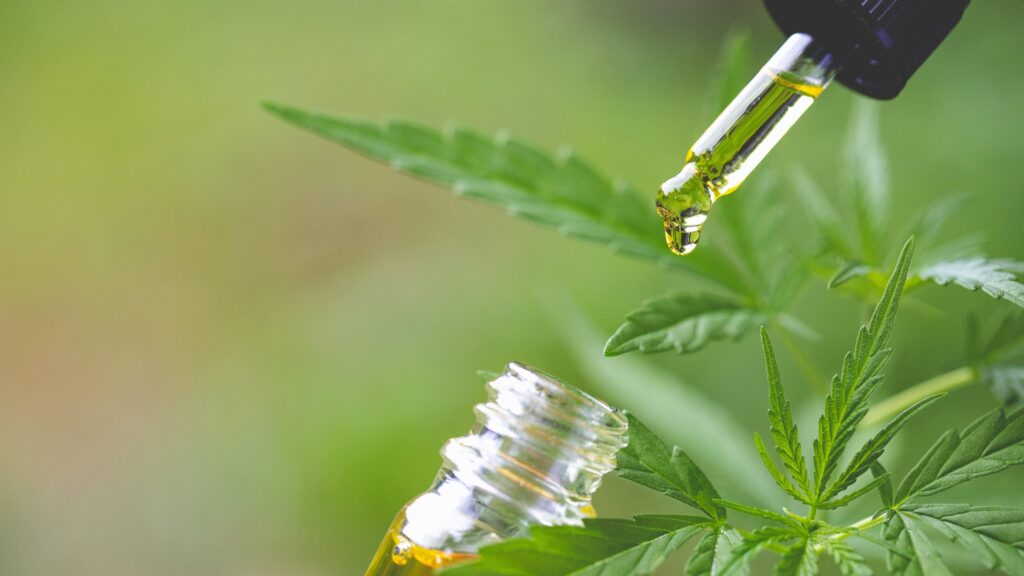
CBD oil is available in many different strengths, which can make choosing the right product confusing, especially for beginners. You may see CBD oils labeled as 250 mg, 500 mg, 1,000 mg, 2,000 mg, or even higher concentrations. But what do these numbers actually mean, and why does CBD oil come in different strengths?
The main reason is that people have different preferences, product needs, and sensitivities. A lower-strength CBD oil may be suitable for someone who wants to start cautiously, while another person may prefer a more concentrated product to avoid taking a larger volume of oil.
Understanding CBD oil strength, concentration, serving size, and dosage can help you read product labels more confidently and make a more informed choice.
What Does CBD Oil Strength Mean?
CBD oil strength generally refers to the total amount of CBD contained in the bottle. Manufacturers usually express this amount in milligrams (mg).
For example, a bottle labeled:
- 500 mg CBD contains approximately 500 mg of CBD in the entire bottle.
- 1,000 mg CBD contains approximately 1,000 mg of CBD.
- 2,000 mg CBD contains approximately 2,000 mg of CBD.
However, the total CBD amount does not automatically tell you how much CBD is present in each drop or serving.
The bottle size also matters. A 1,000 mg CBD oil in a 30 mL bottle has a different concentration from a 1,000 mg CBD oil in a 10 mL bottle.
This is why it is important to look at both the total CBD content and the amount of oil in the bottle.
Why Is CBD Oil Available in Different Strengths?
CBD products come in different strengths because there is no single concentration that works the same way for everyone.
People may differ in their:
- Body composition
- Metabolism
- Individual sensitivity to CBD
- Reason for using CBD
- Preferred serving size
- Experience with CBD products
- Product format and concentration preference
A person who is new to CBD may prefer a lower-strength oil because it allows them to use a smaller amount of CBD per serving. Someone who prefers a concentrated product may choose a higher-strength oil so they can take less liquid to reach their preferred amount.
Different strengths also give consumers more flexibility when building a routine.
CBD Oil Strength vs CBD Concentration
One of the most important things to understand is that strength and concentration are not always the same thing.
Strength often refers to the total amount of CBD in the bottle, while concentration describes how much CBD is present in a specific volume of oil.
For example, imagine two products:
CBD Oil A:
1,000 mg CBD in 30 mL of oil
CBD Oil B:
1,000 mg CBD in 10 mL of oil
Both contain 1,000 mg of CBD in total, but CBD Oil B is more concentrated.
You can calculate the approximate concentration by dividing the total CBD amount by the total volume.
For example:
1,000 mg ÷ 30 mL = approximately 33.3 mg of CBD per mL.
This calculation can make product comparisons easier.
Why Would Someone Choose a Lower-Strength CBD Oil?
Lower-strength CBD oil can be useful for people who want more control over how much CBD they consume at one time.
Beginners may prefer lower-strength products because they can start with a smaller amount and observe how their body responds.
A lower-strength product may also make it easier to adjust the amount gradually, depending on the product’s labeling and the individual’s needs.
However, lower strength does not automatically mean better or safer. The appropriate choice depends on the individual, the product formulation, and how the product is intended to be used.
Why Would Someone Choose a Higher-Strength CBD Oil?
Higher-strength CBD oil contains more CBD in a given amount of liquid. This means users may need a smaller volume of oil to obtain the same amount of CBD compared with a lower-concentration product.
For example, someone who prefers concentrated products may find a higher-strength CBD oil more convenient.
However, a higher CBD concentration does not necessarily mean that the product will work better. Taking more CBD is not automatically more beneficial, and individual responses can vary.
It is important to follow the product’s directions rather than assuming that a higher-strength product is always the best option.
How Do You Know How Strong Your CBD Oil Is?
Start by checking the product label.
Look for information such as:
- Total CBD in milligrams
- Bottle size in milliliters
- CBD amount per serving, if provided
- Serving size
- Other cannabinoids
- Ingredients
- Manufacturer information
- Batch or laboratory testing information, where available
If the label only says something like “1,000 mg CBD,” remember that this usually refers to the total CBD in the bottle.
You should also check how much liquid the bottle contains.
Does More CBD Mean Stronger Effects?
Not necessarily.
A higher-strength CBD oil contains more CBD in the bottle, but that does not automatically mean a person will experience stronger or better effects.
Individual responses to CBD can vary considerably. Factors such as metabolism, body composition, sensitivity, product formulation, and the amount used can all influence someone’s experience.
CBD also does not produce the same intoxicating “high” associated with THC.
Because of this, it is better to think of CBD strength as a measurement of concentration and product formulation rather than a guarantee of a particular effect.
What Is the Difference Between CBD Strength and Dosage?
CBD strength describes how much CBD is contained in a product. Dosage refers to how much CBD a person actually takes.
These are related but different concepts.
For example, a 1,000 mg CBD bottle does not mean that you should consume 1,000 mg at once. The 1,000 mg figure usually represents the total amount contained throughout the bottle.
The amount used at one time depends on the product instructions and individual circumstances.
This distinction is particularly important for beginners because confusing bottle strength with serving amount can lead to using more CBD than intended.
Why Do CBD Brands Offer So Many Strength Options?
CBD companies offer different strengths because consumers have different preferences.
Some people may want:
- A lower-concentration option for starting cautiously
- A medium-strength product for regular use
- A higher-concentration product for convenience
- Different concentrations for different product formats
Offering several strengths also allows brands to serve customers with different levels of experience with CBD.
Instead of creating one standard product for everyone, manufacturers can provide several options with different CBD concentrations.
Does Bottle Size Affect CBD Strength?
Yes.
Bottle size can significantly affect concentration.
Consider two products containing the same total amount of CBD:
Product A: 500 mg CBD in 30 mL
Product B: 500 mg CBD in 10 mL
Both contain 500 mg of CBD in total, but Product B contains more CBD per milliliter because the same amount of CBD is concentrated into a smaller volume.
This is why comparing only the milligram number on the front of the bottle may not give you the complete picture.
Always check the total CBD amount and the bottle volume.
How Do Different CBD Strengths Affect Serving Size?
A stronger CBD oil can provide more CBD in a smaller amount of liquid.
For example, if one product contains approximately 10 mg of CBD per mL and another contains approximately 30 mg per mL, the same volume of each product would provide different amounts of CBD.
This can make higher-concentration oils more convenient for people who prefer smaller serving volumes.
However, serving size should always follow the product’s labeling and directions. Drop size can also vary depending on the dropper and bottle design, so counting drops is not always an exact way to measure CBD unless the manufacturer provides a specific measurement.
Are Higher-Strength CBD Oils More Expensive?
They often cost more per bottle because they contain more CBD, but price alone does not tell you whether one product offers better value.
When comparing CBD oils, consider:
- Total CBD content
- CBD concentration
- Bottle size
- Ingredients
- Product formulation
- Third-party testing
- Brand transparency
- Cost per milligram of CBD
A more expensive bottle is not automatically higher quality, and a cheaper product is not automatically a better deal.
Does CBD Strength Depend on the Type of CBD?
Yes, the cannabinoid profile can also differ between products.
CBD oil may contain:
1. CBD Isolate
CBD isolate is designed to contain CBD without other cannabinoids, depending on the product and manufacturing process.
2. Broad-Spectrum CBD
Broad-spectrum products typically contain CBD and other hemp compounds while being formulated to remove THC, although consumers should check the actual laboratory results and product labeling.
3. Full-Spectrum CBD
Full-spectrum products contain CBD along with other naturally occurring hemp compounds and may contain small amounts of THC within applicable legal limits.
Because formulations vary, consumers should read the product label carefully rather than assuming that every CBD oil contains the same ingredients.
How Should Beginners Choose a CBD Oil Strength?
If you are new to CBD oil, avoid choosing a product simply because it has the highest number of milligrams.
Instead, consider the following:
1. Start by Understanding the Label
Find out how much CBD the entire bottle contains and how much CBD is present per serving, if the manufacturer provides that information.
2. Consider the Concentration
Compare the total CBD amount with the bottle volume. This helps you understand how concentrated the oil actually is.
3. Follow the Manufacturer’s Directions
Use the product according to its labeling. Do not assume that a higher-strength product requires a larger amount.
4. Pay Attention to Your Individual Response
People can respond differently to CBD. If you experience unwanted effects, stop using the product and consider discussing it with a healthcare professional.
5. Choose Transparent Products
Look for clear labeling, ingredient information, and reliable laboratory testing where available.
Can You Take Too Much CBD?
Using more CBD than intended may increase the chance of unwanted effects.
Reported side effects can include:
- Drowsiness
- Fatigue
- Dry mouth
- Diarrhea
- Changes in appetite
- Nausea
- Digestive discomfort
CBD may also interact with certain medications.
For this reason, people who take prescription medicines or have underlying health concerns should speak with a healthcare professional before using CBD.
More CBD is not necessarily better, so increasing the amount simply because a product has a higher strength is not a good approach.
What Should You Look for on a CBD Oil Label?
A good CBD oil label should provide clear information about the product.
Check for:
- Total CBD content
- Bottle volume
- Serving information
- Ingredient list
- Cannabinoid type
- Manufacturer details
- Batch information
- Laboratory testing or certificate of analysis, where available
- Storage instructions
- Recommended use
Be cautious when a product makes unrealistic promises or does not clearly explain how much CBD it contains.
Does CBD Oil Strength Affect How Long It Lasts?
It can affect how long a bottle lasts, but not necessarily how long CBD remains active in the body.
A higher-strength oil may provide more CBD per milliliter, meaning you may use less liquid to obtain the amount described on the label.
The actual duration of effects can vary based on factors such as the amount used, individual metabolism, food intake, product formulation, and personal sensitivity.
Therefore, bottle strength and duration are two different things.
CBD Oil Strength Is Not the Same as CBD Effectiveness
One common mistake is assuming that the strongest CBD oil must be the most effective.
There is no simple rule that higher concentration automatically produces better results.
CBD products can affect people differently, and research into many commonly marketed uses of CBD is still developing.
Instead of focusing only on the highest milligram number, consider product quality, formulation, labeling, individual needs, and safe use.
Also Read: Understanding CBD Oil Labels: What Every Buyer Should Know
Final Thoughts
CBD oil comes in different strengths because consumers have different preferences, sensitivities, and product needs. Understanding the difference between total CBD strength, concentration, and serving size can make it much easier to compare products.
A 500 mg, 1,000 mg, or 2,000 mg label tells you about the amount of CBD contained in the bottle, but it does not automatically tell you how much you should use or how strongly you will respond.
If you are considering CBD oil, read the label carefully, follow the manufacturer’s directions, choose products with transparent ingredient and testing information, and avoid assuming that a higher strength is always better.
For people taking medications or managing health conditions, discussing CBD use with a healthcare professional can help identify potential risks and interactions.