
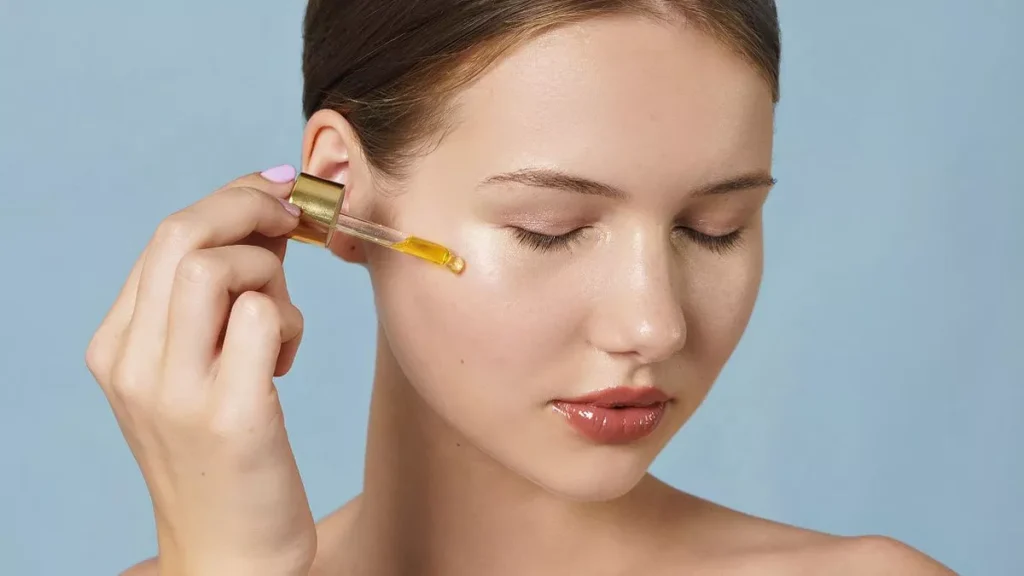
Introduction
CBD oil has taken the wellness world by storm, and its benefits are no longer confined to anxiety relief or sleep support. Increasingly, CBD is being celebrated for its potential to improve skin health, offering hope for those struggling with acne, eczema, and the visible signs of aging. But does the science back it up? And how can CBD oil become part of your skincare routine?
Let’s explore how this non-intoxicating compound derived from the cannabis plant may be the natural skincare solution you’ve been searching for.
How CBD Oil Works on the Skin
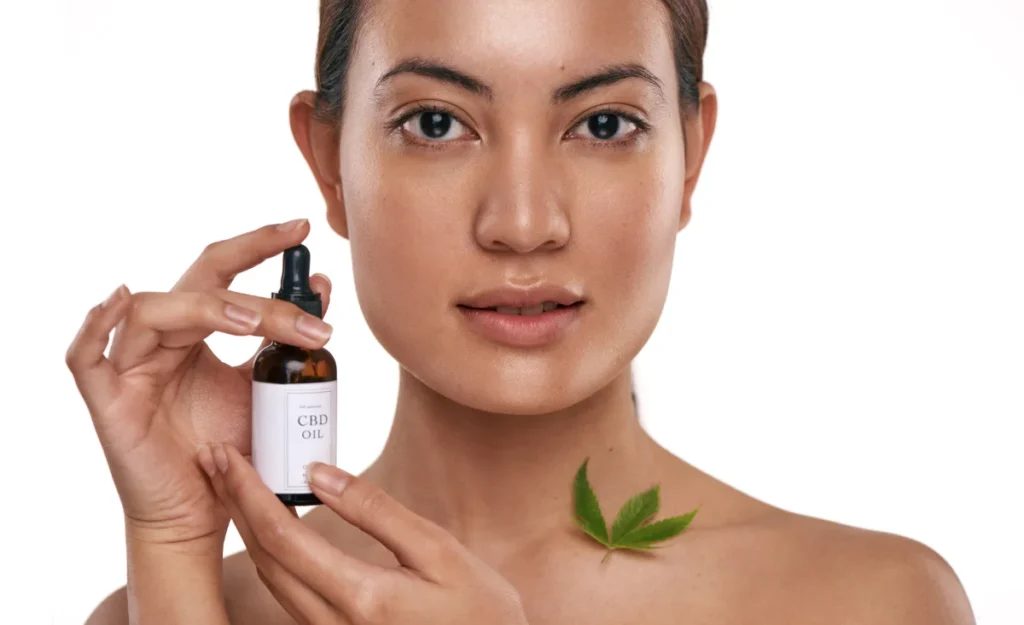
CBD (cannabidiol) interacts with the endocannabinoid system (ECS)—a network of receptors and signaling molecules that helps regulate vital processes in the body, including immune response, inflammation, and skin cell turnover. The skin itself is rich in CB1 and CB2 receptors, which is why applying or ingesting CBD may influence how the skin behaves and heals.
While CBD oil can be taken orally, many skincare products now contain topical CBD formulations such as creams, serums, and balms designed to work directly on problem areas. Whether used alone or in combination with other ingredients, CBD may help soothe, balance, and rejuvenate the skin.
1. CBD Oil for Acne
Acne is not just a teenage problem—it affects millions of adults due to hormonal imbalances, inflammation, and excess oil production. Traditional treatments often involve harsh chemicals that can dry or irritate the skin. That’s where CBD oil shines.
How CBD may help acne:
- Anti-inflammatory action: Acne is an inflammatory condition. CBD is known for its powerful anti-inflammatory properties, which may reduce redness, swelling, and tenderness associated with breakouts.
- Sebum regulation: A 2014 study published in The Journal of Clinical Investigation found that CBD can help normalize sebum production in the skin’s sebaceous glands, potentially reducing the oily buildup that leads to clogged pores.
- Antibacterial potential: CBD may help fight acne-causing bacteria, adding another layer of defense for troubled skin.
Best practices: Look for non-comedogenic CBD products with ingredients like salicylic acid, niacinamide, or tea tree oil for added acne-fighting power.
2. CBD Oil for Eczema and Sensitive Skin
Eczema (atopic dermatitis) is a chronic skin condition characterized by dryness, itching, inflammation, and flare-ups that can significantly impact quality of life. While there is no cure, many sufferers find relief in products that soothe the skin and support its natural barrier.
How CBD may help eczema:
- Soothing inflammation: CBD’s ability to calm an overactive immune response can help reduce the itch and irritation associated with eczema.
- Moisturizing the skin: CBD oil contains essential fatty acids like omega-3 and omega-6, which support the skin’s lipid layer, helping it retain moisture and resist irritants.
- Reducing flare-ups: By interacting with ECS receptors, CBD may help regulate immune function and stress responses—two common eczema triggers.
Best practices: Use fragrance-free, hypoallergenic CBD creams or balms formulated for sensitive skin. Always patch-test before applying to larger areas.
3. CBD Oil for Anti-Aging and Skin Rejuvenation
As we age, our skin naturally loses elasticity, hydration, and collagen. This leads to fine lines, wrinkles, and a dull complexion. While no product can completely turn back time, CBD oil may support youthful-looking skin through its antioxidant and anti-inflammatory effects.
How CBD may help aging skin:
- Neutralizing free radicals: CBD is a potent antioxidant that helps combat oxidative stress, a major contributor to skin aging caused by UV exposure and pollution.
- Boosting hydration: CBD’s moisturizing properties help keep the skin supple and prevent dryness, which can exaggerate the appearance of wrinkles.
- Reducing inflammation: Inflammation accelerates aging. By calming the skin, CBD may reduce puffiness and improve overall tone and texture.
Best practices: Look for anti-aging serums or facial oils that blend CBD with ingredients like hyaluronic acid, vitamin C, or retinol for comprehensive skin support.
Oral vs. Topical CBD for Skin Health
Both oral and topical applications of CBD can support skin health, but they work differently:
- Topical CBD targets specific areas directly and is best for treating localized issues like acne or eczema patches.
- Oral CBD oil works systemically, helping to reduce internal inflammation and regulate hormonal imbalances that can manifest in skin problems.
Many people find that a combined approach—taking CBD orally and applying it topically—yields the best results.
What to Look for in a CBD Skincare Product
With the market flooded with CBD-infused products, quality matters. Here’s what to check before buying:
- Third-party lab testing: Ensure the product is tested for purity, potency, and safety.
- Clear CBD concentration: Look for products that specify how much CBD is in each serving or application.
- Full-spectrum or broad-spectrum CBD: These contain additional cannabinoids and terpenes that may enhance effectiveness via the “entourage effect.”
- Clean ingredients: Choose formulas free from parabens, synthetic fragrances, sulfates, and other irritants—especially if you have sensitive skin.
Is CBD Safe for Your Skin?
CBD is generally considered safe and non-irritating for most skin types, making it a popular choice for people with sensitive, acne-prone, or reactive skin. Its natural anti-inflammatory and antioxidant properties can support skin health without the harsh effects often associated with synthetic ingredients. However, just because something is natural doesn’t mean it’s risk-free for everyone.
As with any new skincare ingredient, especially one applied to delicate areas like the face, a cautious and informed approach is essential. Here’s how to use CBD safely and effectively:
- Patch-test before full application: Apply a small amount of the CBD product to a discreet area of skin—such as your inner forearm or behind the ear—and wait 24 to 48 hours. If there’s no redness, itching, or irritation, it’s likely safe to use more broadly.
- Consult a dermatologist if you have a medical skin condition: If you’re dealing with chronic conditions like eczema, psoriasis, or rosacea—or if you’re on prescription treatments like retinoids or corticosteroids—it’s wise to talk to your dermatologist before adding CBD to your routine. Some ingredients may interact or compound effects, and a professional can help tailor a safe plan for you.
- Start slow and low in concentration: Highly concentrated CBD products can be potent. If you’re new to CBD skincare, begin with a lower-strength formulation to see how your skin reacts. You can always increase strength or frequency later as your skin adjusts.
Taking these steps ensures you’re using CBD mindfully and safely—giving your skin the best chance to benefit from this promising natural ingredient without triggering unwanted reactions.
Also Read: CBD Oil and Brain Function: Can It Support Focus, Memory, and Mood?
Final Thoughts
CBD oil offers a promising natural alternative for acne, eczema, and signs of aging—thanks to its anti-inflammatory, antioxidant, and skin-balancing properties. While it’s not a cure-all, it can be a powerful addition to your skincare routine when used consistently and correctly.
As research continues to expand, so does our understanding of how CBD can support not just internal wellness, but radiant, resilient skin from the outside in.